The Office of the Vice President for Research and Innovation can help you identify experts, collaborators and partners for proposals you plan to submit. You can contact ovprid@vcu.edu for additional assistance.
Tools and resources
Explore VCU Research (EVR)
A discovery platform for VCU's expertise and scholarly output. Browse or search information on people, departments, clinical trials and publications.
Pivot
The Pivot database includes pre-populated researcher profiles unique to VCU and others. This allows you to search for researchers by name, specific area of study or affiliation. Profiles include key biographical information, research interests, selected publications and contact information. They are editorially controlled and regularly reviewed for accuracy; however, you have the ability to update portions of your profile or create one if none exists.
Award databases
Find collaborators through sponsors' award databases.
Institutes and centers
VCU institutes and centers
The university's ICs work across disciplines and research to create new knowledge. Representing some of the most cutting-edge investigations taking place in the world today, the ICs conduct unique investigative collaborations to add value to the university in terms of intellectual power, resources and collaborative potential, extramural funding and resource development.
Subject-specific communities
Policy Research Interest Group
This group includes VCU investigators who are interested in conducting policy research or are actively translating their research to policy. Members showcase their research at poster sessions in which state legislative staff and local policy leaders attend. Contact Robyn McDougle to join the listserv.
VCU Humanities Research Center
The Humanities Research Center’s interdisciplinary research groups foster conversation and creativity across conventional disciplinary boundaries by bringing together faculty and graduate students from different departments with common interests.
Research Interest Groups
What are Research Interest Groups?
Research groups are a team of individuals, such as students, researchers, and principal investigators, who work together on a specific research topic or project under a common leader. These groups are established to conduct studies, share expertise, and achieve shared research goals, often within a university or research institution.
How do I get involved?
To get involved in VCU faculty research groups, you should identify faculty or existing groups whose research aligns with your interests, prepare materials like a resume, and then contact the group lead or contact provided with group information listed below.
The Airway, Cytokine, and Histamine Organization (ACHOO)
Gathering monthly since 2004, ACHOO is a group of faculty and trainees who share an interest in airway biology, including inflammation and biomechanics. Diseases and pathological states discussed include asthma, cystic fibrosis, ventilation-induced lung injury, fibrosis, and other interests the group develops. Participants present original research-in-progress and offer feedback towards developing manuscripts and grant applications. Meetings are in a hybrid format, with in-person meetings on the MCV campus and a Zoom option.
Dr. Rebecca Martin: rebecca.martin@
Dr. Maggie Freeberg: margaret.freeberg@vcuhealth.
Advanced Functional Materials Laboratory (AFML)
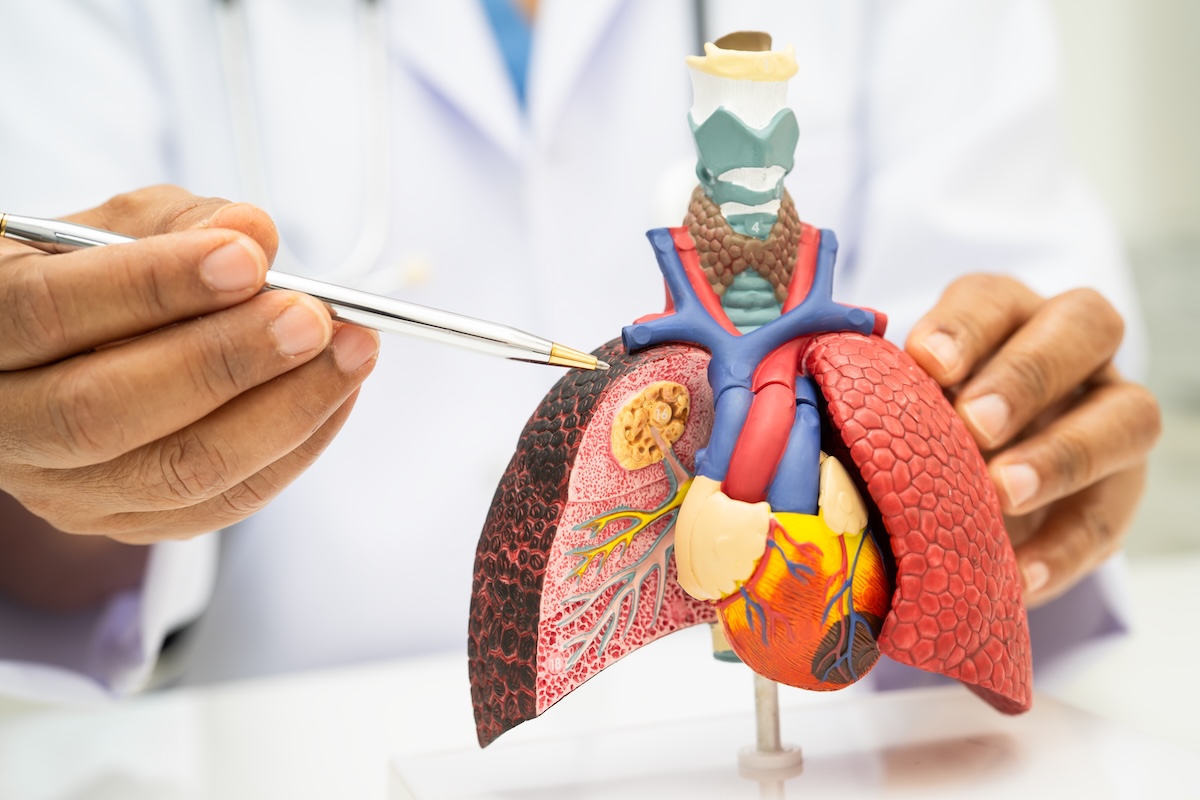
The research focus of Advanced Functional Materials Laboratory (AFML) is in the area of ultraincompressible superhard materials for extreme conditions, superhydrophobic coatings for nonwettable applications, thin films for sensors, nuclear materials, aerospace materials, metal forming and working (metallurgy), and elasticity and plasticity. Our goal is to develop and characterize novel functional materials for these applications.
Dr. Reza Mohammadi: rmohammadi@vcu.edu

Artificial Intelligence and Data Science Research Cluster
The VCU Artificial Intelligence and Data Science Research Cluster unites faculty who specialize in developing and applying core AI and data science techniques, including advanced machine learning, deep learning, exploratory data analysis, optimization, network science, data visualization, and computational modeling. Our collective expertise includes machine learning, exemplified by our work on predictive healthcare models; natural language processing, as demonstrated in our medical informatics; bioinformatics and systems biology, with significant contributions to protein structure and function analysis, genomic data interpretation; complex networks and software engineering analytics; and trustworthy AI, focusing on explainable, accountable, and ethical algorithm development. The group collaborates on foundational and applied research, including the development of predictive models for disease outbreaks, protein function prediction, large-scale data analysis for climate change, and the creation of trustworthy agents for autonomous vehicles. We also focus on AI-driven healthcare solutions, including in-home remote monitoring and assessment tools that track patient conditions and rehabilitation progress to support early intervention and personalized care.
Bridget McInnes: btmcinnes@vcu.edu

Artificial Intelligence in Nurse Anesthesia (AiNA)
The research focus of Artificial Intelligence in Nurse Anesthesia (AiNA) is in the area of ethical integration of generative AI in nurse anesthesia, advanced prompt engineering for education, scholarly, and clinical activities, AI-driven instructional design and learning, personalized clinical decision aids for patient safety, smart data management systems for quality improvement, and policy development for AI governance. Our goal is to develop and characterize novel AI-powered strategies to revolutionize nurse anesthesia practice, education, and research for these applications.
Jiale (Gary) Hu: jhu4@vcu.edu

BEST in CLASS / CREATE lab
Interdisciplinary; broadly focused on school mental health, with a particular focus on children and youth with disruptive behavior disorders; implementation science and research.
Kevin Sutherland: kssuther@vcu.edu
Bryce McLeod: bmcleod@vcu.edu
Center for Innovation in STEM Education (CISTEME)
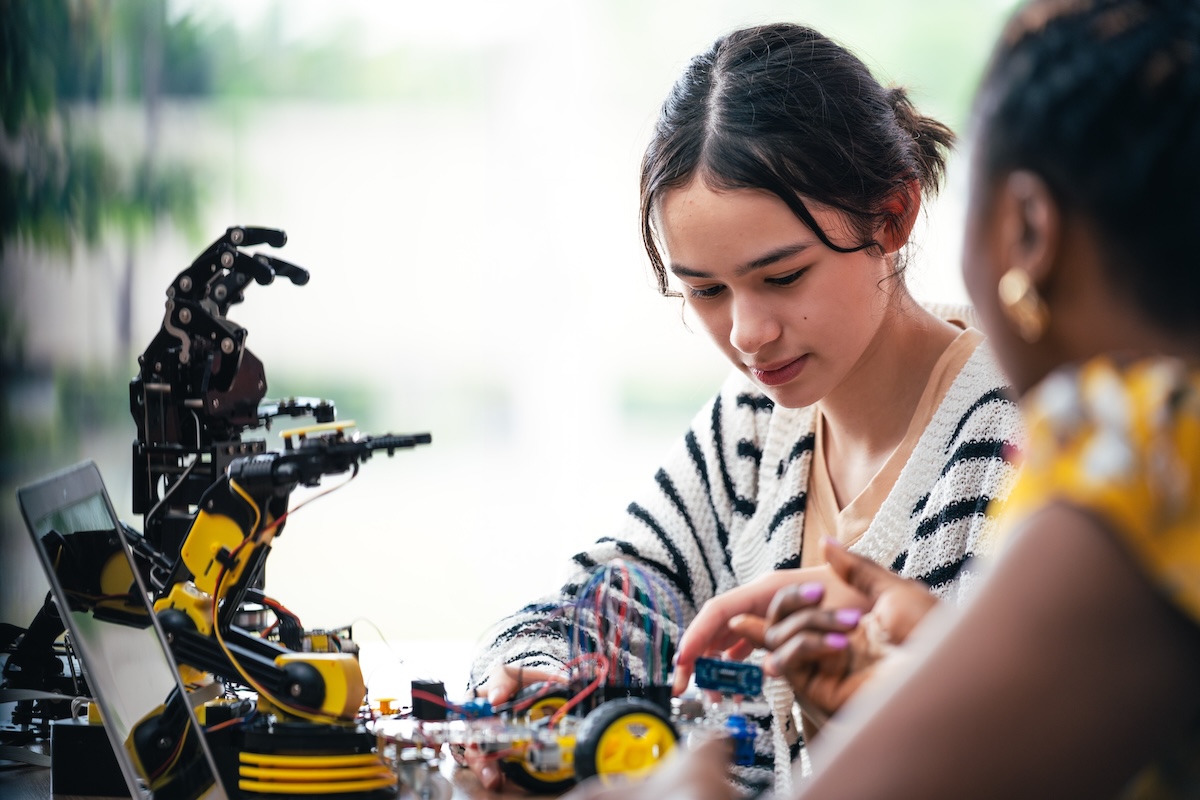
- National and community impact: CISTEME seeks to position itself as a leader in STEM education research by advancing institutional collaboration and contributing to workforce development at both local and national levels.
- Faculty development: Research interest groups support faculty through mentorship, shared resources, and collaborative networks. These efforts aim to strengthen research capacity and increase competitiveness for multi-investigator, cross-disciplinary grant funding.
- Student research engagement: Promotes meaningful research and training opportunities for undergraduate and K–12 students. Initiatives such as Every Ram a Researcher encourage hands-on inquiry, critical thinking, and problem-solving skills.
- Teaching and learning innovation: The groups emphasize the adoption of evidence-based instructional practices that broaden participation in STEM fields and sustain student engagement across diverse populations.
Dr. John Fife: fifeje@vcu.edu
Dr. Christine Bae: clbae@vcu.edu
The Centroid Applied Machine Learning Lab
The Centroid Applied Machine Learning Lab explores cutting-edge applications of machine
learning and artificial intelligence in the social sciences, with a strong commitment to
responsible, ethical, and equitable use. Led by Dr. Michael Broda and Dr. Chi-Ning (Nick)
Chang, the lab conducts innovative research that advances analytical methodologies while
generating practical insights for real-world challenges. With a diverse team of 15-17 active
researchers, including students, staff, faculty, and external collaborators, the lab investigates
the use of machine learning in educational research, applies advanced analytical methods
across a wide range of topics, utilizes state-of-the-art text analysis techniques, and explores AI-
driven mentoring models to support career development in STEM education. Through
continuous exploration and interdisciplinary collaboration, the Centroid Lab pushes the
boundaries of methodological innovation and produces new knowledge that helps shape the
future of the social sciences.
Dr. Michael D. Broda: mdbroda@vcu.edu
Dr. Chi-Ning (Nick) Chang: changc10@vcu.edu
Chemical Engineering Faculty Research Group
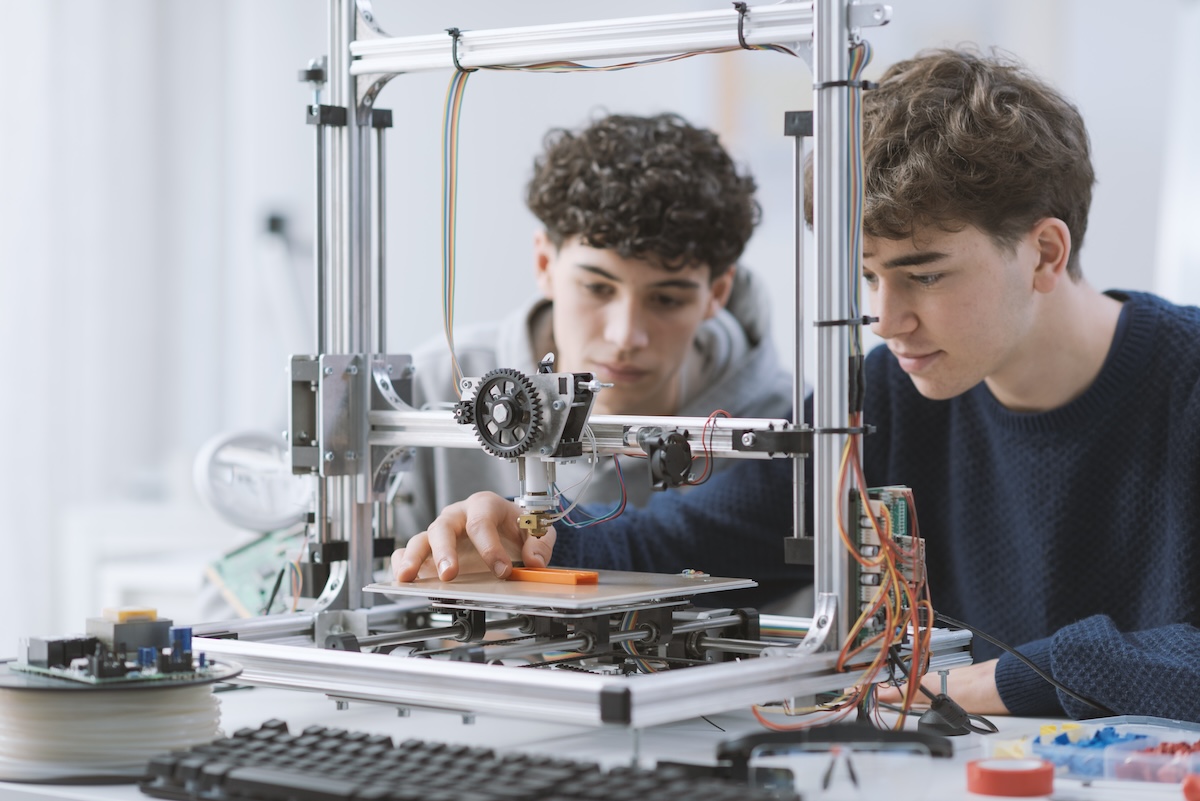
This is a weekly meeting where faculty from the CLSE department meet to discuss grants. We are very interested in co-sponsored meetings with departments or groups that have overlaps in topic areas. Previously we have met with Biomedical Engineering and Mechanical engineering but would love to move beyond engineering to other departments. Ideally we would be looking for a once or twice semester meet-up to sustain new collaborations across the university.
Leah Spangler: spanglerl@vcu.edu

The Computer Networks and Systems Research Interest Group
The Computer Networks and Systems Research Interest Group investigates advanced communication and computing technologies that enable the connected world of the future. Our interests include IoT and cyber-physical systems, wireless and mobile networking, 6G and beyond, satellite and non-terrestrial networks, cloud/edge infrastructure, SDN-based architectures, wireless/mobile sensing and resilient large-scale computing systems. We explore AI-native networking and edge intelligence, including optimized AI for IoT and edge systems, learning-based network control, semantic communications, diffusion models for core networking problems, and LLMs for networking and mobile systems. We also study quantum networks and hybrid classical–quantum communication systems. A central theme across our work is network security and data privacy, with emphasis on secure protocols, privacy-preserving analytics, and robust defenses for AI-driven networked systems. We actively seek cross-disciplinary collaborations to tackle real-world challenges in connectivity, performance, security, privacy, and intelligence.
Eyuphan Bulut: ebulut@vcu.edu

The Institute for Research on Behavioral and Emotional Health (IRBEH)
- Facilitating Positive Outcomes for LGBTQIA Students Working Group: LGBTQIA identity-related stress, social support, belongingness, flourishing, and academic, mental health, and psychosocial outcomes
- Minoritized Ethnic and Racial Students’ Experiences Working Group (MERSEWG): social determinants of health, discrimination, systemic inequities, cultural assets, academic outcomes, minority mental health, and substance use
- Health Behaviors Working Group: sleep, nutrition, eating, physical activity, sexual health, healthcare engagement, psychosocial well-being, and social determinants of health during emerging adulthood
- Statistical Genetics Working Group (S4S StatGen): genomic data infrastructure, best practices for GWAS, polygenic risk scores, heritability, genetic correlation, trans-ancestral methods, reproducibility, and open science workflows
- Substance Use, Disorder, and Recovery Working Group: alcohol, cannabis, and other substance use, trajectories from use to disorder to recovery, group differences, prediction models, and longitudinal analyses
- Tobacco Use Working Group: genetic and environmental influences on smoking initiation, dependence, cessation, and related health outcomes
- Traumatic Stress and Mental Health Outcomes Working Group: exposure to trauma and stress, psychiatric and substance use outcomes, sex/gender differences, genetic risk, and modifiable protective factors

Institute for Women's Health
- Institute for Women's Health Interpersonal Violence and Trauma Research Development Group: The Interpersonal Violence and Trauma Research Development Group is committed to advancing research, policy, and practice related to interpersonal violence and trauma. Centered on interdisciplinary collaboration, the group supports the development of innovative research initiatives, pursues external funding opportunities, and cultivates partnerships that address violence prevention, survivor support, and the promotion of healthy relationships across the lifespan. Through rigorous scholarship and community engagement, the group aims to inform evidence-based, trauma-informed strategies and evaluation that promote safety, and well-being.
- Institute for Women's Health Addiction and Women’s Health Research Development Group: This interdisciplinary group is dedicated to fostering connections and new collaborations among scholars across our university who focus on women's health and addiction. By leveraging varied expertise, we aim to build a strong network that addresses the complexities of substance use disorders in women. The ultimate goal is to create a vibrant community that strengthens individual efforts and ultimately enhances our collective public health impact in the area of addiction.
- Institute for Women's Health Female Athletes Research Development Group:The Female Athlete Research Development Group is a collaborative initiative focused on the overall health, well-being, and performance of females engaging in physical activity. The female athlete group encompasses assessments of individuals across ages (adolescence to adulthood), engagement levels (recreational exercise to competitive organized sport), and abilities (physically capable through to injury and adaptive sport). This group connects researchers across disciplines (sports medicine, biomedical engineering, psychology, education, and more) to facilitate cross-collaboration for well-rounded, impactful projects centered on advancing the understanding and research of female athletes across all levels.
- Institute for Women's Health Nutrition and Women’s Health Research Development Group:The Nutrition and Women's Health Research Development Group is an interdisciplinary collective of researchers and clinicians dedicated to advancing understanding of how nutrition influences physical and mental health in women across the lifespan. Our members collaborate to address topics such as weight management, eating pathology, and nutrition-related health outcomes. Using a range of methodological approaches, we aim to generate integrative translational insights that inform prevention, intervention, and policy.
- Institute for Women's Health Perinatal Health Research Development Group: The Perinatal Health Research Research Development Group (RDG) at the Institute for Women’s Health at VCU convenes faculty and partners committed to advancing innovative approaches to support the whole health of women during the perinatal period. The RDG fosters interdisciplinary and transdisciplinary collaboration to strengthen existing research programs and catalyze new lines of inquiry that improve outcomes for women and their families. Through shared expertise and coordinated efforts, the group also aims to develop competitive, collaborative grant applications that drive high-impact science and meaningful public health advances.
- Institute for Women's Health Cancer in Women's Health Research Development Group: The Cancer in Women Research Development Group is an interdisciplinary group dedicated to advancing the understanding of cancer prevention, biology, treatment, and survivorship throughout the female lifespan. Our goal is to foster new collaborations that bridge the gap between laboratory discovery and patient care, ultimately informing evidence-based strategies that improve clinical outcomes, enhance quality of life for survivors, and address health disparities in cancer care.

McGill Research Group
The McGill research group uses machine learning models for chemical engineering and chemistry applications. One major avenue of the research is making machine learning models for chemical property prediction, in which we use the molecular structure of a chemical to predict properties of the chemical. Our most recent applications in this space have been related to predicting chemical phase equilibria, allowing us to model chemical separations systems more accurately and realistically. We also apply machine learning to process optimization and experiment selection. We do this particularly through the application of Bayesian Optimization, where we can use machine learning models that generate uncertainty estimates to make strategic decisions about what experiments to perform next in order to find a process's optimal configuration in as few experiments as possible.
Charles McGill: mcgillc2@vcu.edu
.jpg)
MechanoUrology
The MechanoUrology lab performs research at the intersection of engineering and urology. Our work focuses on bladder biomechanics, urodynamics and the development of non-invasive diagnostics for overactive bladder using ultrasound and near infrared spectroscopy (NIRS). The group includes faculty and trainees from Urology, Obstetrics and Gynecology, and Mechanical and Nuclear Engineering.
John Speich: jespeich@vcu.edu

Motivation in Context Research Lab
Broadly, our work examines motivation, context, and their interactions across several interrelated themes: antecedents of motivation; student perceptions and beliefs (e.g., sense of belonging, self-efficacy); mechanisms of change; and the success of historically marginalized students. Across this work, we use multiple research methods and designs to capture the complexity of motivation within educational contexts.
Dr. Sharon Zumbrunn: skzumbrunn@vcu.edu

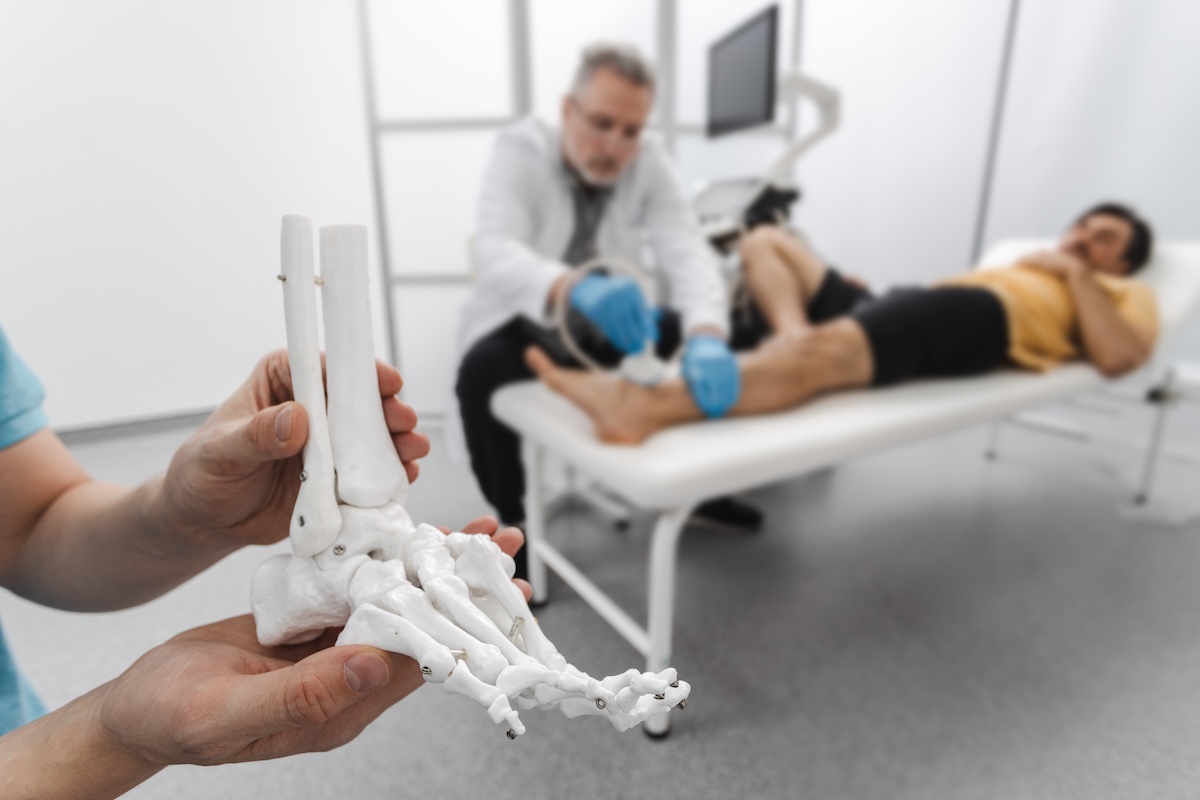
Musculoskeletal Collaboration Center
Our primary mission is to foster collaboration between clinicians and biomedical scientists in the VCU system, and our overall goal is to identify unmet clinical needs, co-create practical solutions and accelerate translation of technology to improve patient outcomes in musculoskeletal disorders and injuries.
Michael McClure: mccluremj2@vcu.edu
Palliative Care Research Interest Group
The PCRIG is an interdisciplinary collection of researchers and students/trainees interested in palliative care and related concepts such as:
- Hospice and end-of-life care
- Geriatrics
- Serious illness communication
- Goals-of-care conversations
- Symptom management
- Caregiver support
Relevant research could use any method, inclusive of clinical trials, literature reviews, cohort studies, qualitative & mixed methods research, health economics & policy research, dissemination and implementation science, and other approaches.
Dr. Brian Cassel: brian.cassel@vcuhealth.org

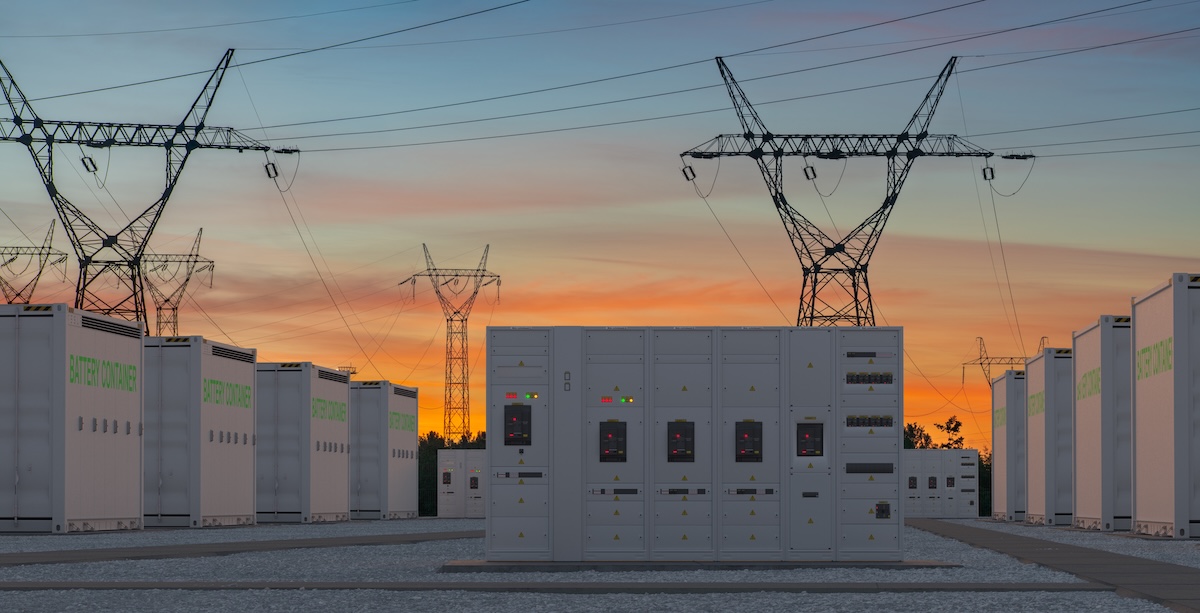
Power and Energy Systems
Power Systems, Power Electronics, Renewable Energy, Microgrids
Ahmed Abuhussein: abuhusseina@vcu.edu
Quantum Device Laboratory
The Quantum Device Laboratory is engaged in theoretical and experimental research in quantum-enabled nanoscale devices and systems. Current research topics include:spintronics and straintronics, quantum materials (topological insulators, Weyl semimetals, altermagnets), spin-based classical and quantum information devices, quantum enabled nano-antennas for on-chip and covert communication, magnon-photon, magnon-phonon and magnon-phonon-plasmon coupling, artificial multiferroic magnonic crystals, general principles of nanomagnetism, and unconventional computing (neuromorphic, probabilistic, and Bayesian inference engines) based on interacting nanomagnetic devices. Research in the laboratory has been frequently featured in national and international media (newspapers, internet blogs, magazines, journals such as Nature and Nanotechnology, CBS, NPR and internet news portals). The laboratory’s educational activities were featured in a pilot study conducted by the ASME in Pennsylvania State University.
Supriyo Bandyopadhyay: sbandy@vcu.edu
Software Engineering Center
The Software Engineering (SE) Center at Virginia Commonwealth University is dedicated to advancing the science and practice of software engineering through cutting-edge research, education, and collaboration. Housed in the Department of Computer Science within the College of Engineering, the Center brings together faculty, students, and partners to address the challenges of building, maintaining, and evolving complex software systems.Research at the SE Center focuses on both foundational and applied aspects of software engineering, with an emphasis on real-world impact. Ongoing projects explore software evolution and long-term system sustainability, emotion detection in software development, technical debt and its management, fairness in software systems, empirical approaches to studying software practices, and the engineering of artificial intelligence applied to health. The Center is co-directed by Professors Kostadin Damevski and Rodrigo Spinola. Working with an interdisciplinary team of faculty and students, they foster innovation at the intersection of people, processes, and technology. Through partnerships with academia, industry, and government, the SE Center seeks to advance knowledge, train the next generation of software engineers, and deliver solutions that make software systems more reliable, fair, and impactful for society.
Rodrigo Spinola: spinolaro@vcu.edu

VCU Cybersecurity Center (CSeC)
The VCU Cybersecurity Center (CSeC) advances foundational and applied security for networked, cyber-physical, and AI-enabled systems. Research spans system and network security; malware analysis and digital forensics; AI for cybersecurity and the security of AI; privacy-preserving and trustworthy machine learning; quantum computing; security and resilience of IoT devices and social networks; wireless and mobile networks, edge/cloud platforms, and 5G/6G infrastructures; dependable cyber-physical and industrial control systems; resilience and security of critical-infrastructure, and secure smart-cities such as medical devices and intelligent transportation; blockchain, bitcoin, and distributed consensus. CSeC further addresses cybersecurity policy, compliance, and governance strategies for emerging technologies such as AI and blockchain, and the ethical, legal, and societal aspects of cybersecurity—including data privacy, digital rights, public trust, and technology regulation. As a regional resource center for cybersecurity in Central Virginia and an NSA/DHS-designated National Center of Academic Excellence in Cyber Defense and Cyber Research, CSeC unites faculty from four colleges (College of Engineering, School of Business, L. Douglas Wilder School of Government and Public Affairs, and College of Humanities and Sciences. Faculty members from diverse disciplines, including computer science, electrical engineering, information systems, humanities and sciences, and government and public affairs integrate technical innovation with policy, governance, and ethics to enhance the community of practice within industry, government, and the broader academic sphere. The center convenes regularly to share ongoing work, cultivate interdisciplinary partnerships, and promote innovative, high-impact research initiatives throughout the university. This often leads to the development of new collaborative course offerings, research projects, and co-authored publications.
Milos Manic: mmanic@vcu.edu
Tamer Nadeem: tnadeem@vcu.edu

If you would like for your research interest group to be listed, please contact ovprird@vcu.edu or submit your information through the research interest group submission form.
Contact us

Mary Strawderman
Research development administrator
Division of Research Development
